Thirty Years Later, the Promise of Public School Choice Still Matters
August 17, 2026
emoore21
In June, INDY Week published an article
Below is Rhonda's Response
Thirty Years Later, the Promise of Public School Choice Still Matters
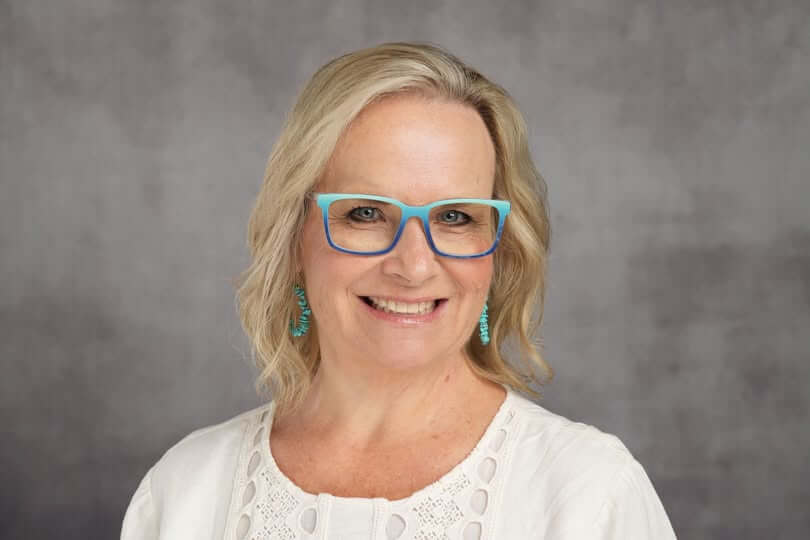
By Rhonda Dillingham, Executive Director, North Carolina Association for Public Charter
Schools In 1996, North Carolina made a bold decision that strengthened public education: it authorized public charter schools to foster innovation, expand opportunity, and give families more options.
Thirty years later, the question is no longer whether charter schools belong in North Carolina’s public education system. Families answered that long ago. The question now is how we continue expanding opportunity for every student.
Recently, the North Carolina Association for Public Charter Schools announced the first recipients of our NC GROW grant. Two schools will receive funding to expand career and technical education, STEM and entrepreneurship while increasing access for educationally disadvantaged students. These investments build a talent pipeline for North Carolina’s economic success and help families find public schools that meet their children’s needs.
The announcement followed INDY Week’s examination of charter school growth in Wake County, which raised important questions about funding, transportation and accountability. Those conversations are worth having, but they should begin with one fundamental truth: more than 160,000 North Carolina students attend a public charter school.
When a student enrolls in a charter school, funding follows that student because the student, not the system, is the purpose of public education. Charter school families are not abandoning public education; they are simply choosing another public school option.
Families choose charter schools for many reasons: STEM, arts integration, and preparation for careers in advanced manufacturing, biotechnology, artificial intelligence and entrepreneurship. These opportunities complement, not compete with, the excellent work happening in traditional public schools.
Like district schools, charter schools vary. Transparency requires that every public school be held accountable for academic performance, financial stewardship and responsible governance. For charters, that accountability exists. They are authorized by the North Carolina Charter Schools Review Board and monitored by the Office of Charter Schools. Schools that fail to meet expectations risk corrective action, nonrenewal or closure. Different oversight does not mean absent oversight.
Transportation is another legitimate challenge. If families cannot reliably get children to school, choice exists only on paper. That is why removing transportation barriers is one of our highest legislative priorities. No child’s education should depend on a ZIP code.
The same commitment is built into NC GROW, which helps schools strengthen governance, improve financial oversight, expand community engagement and increase access for underserved students. Access matters as much as innovation.
The financial pressures facing Wake County Public Schools are real; every citizen should want strong district schools. This should never be framed as a choice between one public school model and another. North Carolina needs excellent public schools as well as a continued commitment to innovation.
Thirty years ago, lawmakers recognized that one public school model could not meet every child’s needs. Families continue to prove why that decision was right. Our responsibility now is not to limit opportunity, but to expand it by ensuring every public school has the tools, accountability and support to help every child thrive.
Rhonda Dillingham is Executive Director of the NC Association for Public Charter Schools, the largest charter school membership organization in the state that supports, advocates, and educates on behalf of the charter school community.